
About Author
Kristian Wright
Kristian Wright is CEO and co-founder of enhanced.io, a channel-only SOC-as-a-Service provider built for MSPs. He has over 30 years in IT leadership and has co-founded three service delivery businesses.
enhanced.io, the channel-only Open XDR SOCaaS for MSPs
TL;DR
Reactive detection jumps into action during or immediately after security incidents, containing damage and restoring systems. It’s essential-but comes after the fact.
Proactive detection anticipates threats through continuous monitoring, threat hunting, simulations and intelligence-aimed at preventing breaches before they occur.
These approaches are complementary, not exclusive: MSPs must provide both to deliver a resilient, layered security service.
Automation, 24/7 monitoring and threat intelligence empower MSPs to bridge proactive and reactive defenses and enhance operational effectiveness.
For Managed Service Providers (MSPs), cybersecurity is no longer just about prevention – it’s about detection and response at speed and scale. As cyber threats evolve, clients expect their MSP to not only block known threats but also detect the unknown, respond swiftly and minimize impact.
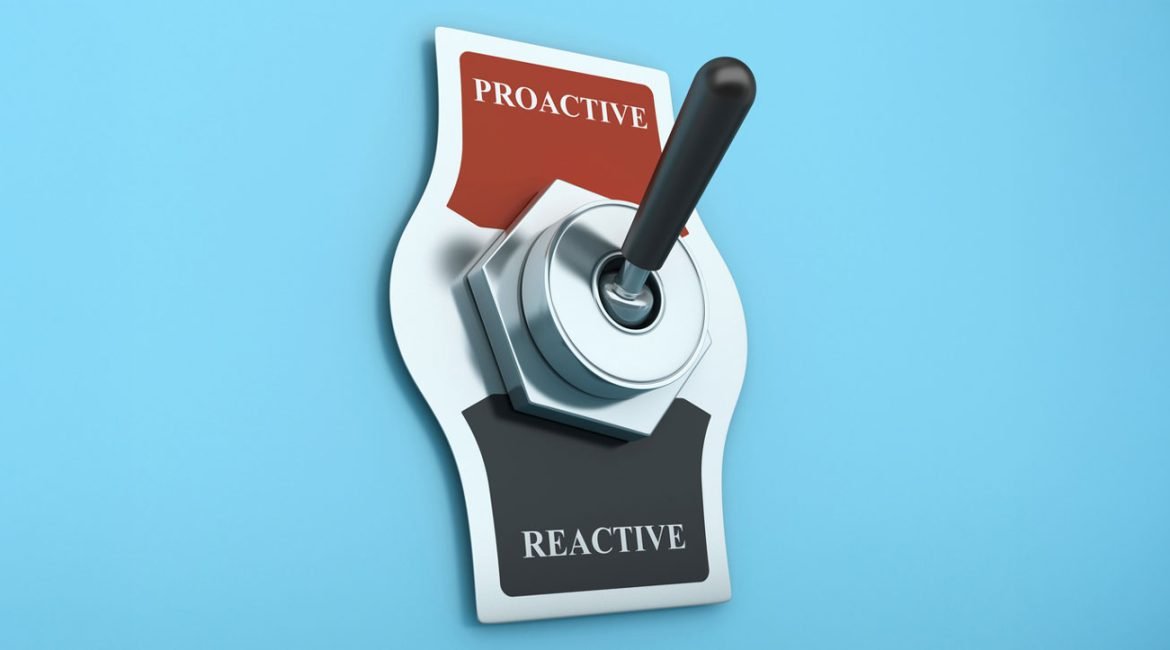
To meet this demand, MSPs must embrace both proactive and reactive threat detection strategies. These approaches are not mutually exclusive - they are complementary and together they form the backbone of a resilient, layered security posture.
In this article, we explore why both are essential, how automation and 24/7 monitoring enhance their effectiveness and how platforms like enhanced.io bring them together under one roof.
The two sides of threat detection
Let’s start by defining the difference:
Proactive threat detection
This is the hunt. It’s about staying ahead of attackers by actively looking for indicators of compromise (IOCs), suspicious behaviors and anomalies that may not yet have triggered alerts. Think of it as looking for trouble before it announces itself.
Key tactics include:
Threat hunting
Behavioral analytics
MITRE ATT&CK-based detection
Threat intelligence correlation
Vulnerability management and attack surface monitoring
Reactive threat detection
This is the response. It kicks in once an alert or known event has occurred – malware is detected, an endpoint is compromised, or a cloud misconfiguration is exploited. Reactive detection focuses on responding quickly and effectively to minimize damage.
Key tactics include:
Real-time alert monitoring
Incident triage and investigation
Automated response playbooks
Forensic analysis
Why MSPs can’t choose one or the other
Most MSPs gravitate toward reactive detection because it’s tangible. There’s an alert, a ticket, an incident. It’s easy to report on and it aligns with traditional SLAs.
But that reactive posture alone is no longer enough.
Modern attacks, such as ransomware-as-a-service or supply chain compromises, often involve dwell times measured in weeks. If you’re only reacting to what’s already obvious, you’re likely missing early-stage activity – like privilege escalation or lateral movement – that could have stopped an incident before it exploded.
Proactive detection fills that gap by focusing on what hasn’t happened yet but could. It reveals early indicators, lets you harden systems before they’re targeted and supports more strategic risk management.
In short:
Proactive = reduce risk exposure
Reactive = reduce impact when attacks occur
MSPs - such as Stability IT - need both to deliver complete, layered cybersecurity.
The role of 24/7 coverage and automation
Combining proactive and reactive detection isn’t just about process, it’s about scale and speed. And that’s where automation and 24/7 monitoring come in.
Why 24/7 monitoring matters
Threats don’t sleep and neither can your detection capabilities. Whether it’s a phishing email clicked at 2 a.m. or an attacker probing AWS infrastructure on a Sunday, MSPs must offer clients continuous protection.
Proactive threat hunting must be ongoing and reactive alerts must be triaged instantly, not “first thing Monday.”
With enhanced.io, MSPs get around-the-clock coverage from a dedicated SOC team that operates continuously to identify both emerging risks and active threats. This ensures early detection and rapid response, no matter when the threat arises.
The power of automation
Automation supercharges both proactive and reactive approaches. For example:
Proactively, automation can continuously scan environments for misconfigurations, scan for vulnerabilities, or run scheduled threat hunts based on known IOCs.
Reactively, automation can isolate infected endpoints, disable compromised accounts, block malicious IPs at the firewall and generate ticket, all within seconds of detection.
This isn’t about replacing human analysts. It’s about amplifying their efforts, reducing time to detect (TTD) and time to respond (TTR) and keeping your SOC efficient and focused on high-priority threats.
Prioritization through risk-based context
Another key to combining proactive and reactive detection is prioritization. Not every alert, vulnerability, or IOC deserves the same attention.
This is where risk-based context becomes critical. MSPs need visibility into:
Asset criticality: Is this alert affecting a domain controller or a test server?
Threat relevance: Is this vulnerability being actively exploited in the wild?
Business impact: Does this cloud misconfiguration expose sensitive client data?
Platforms like enhanced.io use built-in threat intelligence and context scoring to surface the most urgent issues first—so your teams can focus on what matters most. This applies across both detection styles.
The single pane of glass solution
MSPs often struggle with fragmented visibility - multiple consoles, siloed tools and disconnected workflows. This not only slows down detection and response but also leads to missed threats and inefficient operations.
The answer is a Single Pane of Glass: one interface that consolidates alerts, telemetry, threat intelligence and response actions across all tools and client environments.
With enhanced.io, MSPs gain centralized visibility into:
Endpoint, network and cloud activity
M365 and identity events
Firewall and threat intel feeds
Threat hunting outcomes and incident response workflows
This unified view supports both proactive and reactive detection, making it easier for analysts to detect patterns, respond quickly and track incidents from start to finish.
A unified approach
At enhanced.io, we believe that MSPs shouldn’t have to choose between proactive or reactive security. That’s why we’ve built a platform, and a SOC service, that combines:
Continuous threat hunting and vulnerability scanning
Real-time alert triage and response automation
24/7 SOC coverage from cybersecurity experts
Risk-based prioritization of threats and vulnerabilities
Open integration across your existing toolsets
Single-pane-of-glass visibility for streamlined operations
The result? MSPs can deliver enterprise-grade cybersecurity, tailored to each client, without drowning in alerts or relying on disconnected tools.
In cybersecurity, balance is everything. Relying solely on reactive detection puts MSPs permanently on the back foot. But going all-in on proactive hunting without the infrastructure to respond in real time is equally risky.
By combining both strategies, backed by automation, 24/7 monitoring and centralized visibility, MSPs can:
Improve incident outcomes
Reduce operational strain
Strengthen client trust
Scale more efficiently
Cybersecurity is no longer just about stopping attacks, it’s about managing risk intelligently and continuously. And that’s what enhanced.io helps MSPs do every single day. Let’s talk about how we can help you take a unified approach.



FAQ
What is reactive threat detection?
Reactive detection responds to active incidents-triggered by alarms or attacks-and focuses on containing damage, investigating root causes and restoring systems.
What is proactive threat detection?
Proactive detection actively hunts threats and vulnerabilities before they materialize, leveraging techniques like threat hunting, intelligence gathering, continuous monitoring and simulations.
Why can’t MSPs rely on just one approach?
Reactive systems only address threats after they occur, often too late. Proactive systems improve early detection-combining both offers layered resilience and faster, more effective response.
How do automation and monitoring tie into both strategies?
Automation and 24/7 monitoring enable MSPs to detect anomalies swiftly (proactive) and respond instantly (reactive), strengthening overall threat visibility and response agility.
What tools or techniques support proactive threat detection?
Common proactive tools include threat hunting, threat intelligence, cyber deception, automation and simulations that help uncover latent threats before attackers strike.